


"Parents residing in the northern part of London is looking for an exceptional and qualified tutor to assist their smallest child on his first steps to turning into an British gentleman."
Upon seeing this listing, you might easily overlook the term "beginning" as simple a turn of phrase.
Yet, it might be the most important element of this distinctive employment listing, as it aims to recruit a tutor for a infant.
Numerous of responses have since been received since the unidentified family advertised their request for the £180k-a-year tutor, who must be "a uniquely qualified person".
During the past few weeks, the listing has received interest throughout the media, with many questioning why?
Forward-Thinking Method
Adam Caller, CEO and founder of Tutors International, which is helping the family in their search, said that despite initial skepticism, he considered the idea "forward-looking", and "advanced".
When he consulted the family, he mentioned they recognized the unusual aspect of their demand, and how early in age their son is.
But, they clarified that they "didn't want to wait any longer" to hire a tutor, as they had waited until their older child was five, and by that stage "cultural influence had already taken hold".
What exactly did the family refer to by "cultural bias"?
It's "comprehensive", Adam answered. "The manner you eat, the way you speak".
He said the elder child had absorbed "very nuanced, non-verbal cues" from the family, and had taken on their cultural habits. The family explained to the consultant they wished to avoid this pattern to happen again with their new baby.
The strategy: To bring in a UK tutor, who needs to speak with Received Pronunciation, to influence the baby right from the beginning.

Subtle Influence
"Much of the development at the outset here is rather acquired indirectly," said the CEO.
It's via this osmosis that the family are expecting the child will adopt the English characteristics they want to instil.
He explained the tutor had to be someone who attended "the appropriate educational institutions – comparable categories of schools as the family plan to send their son to".
"The instructor just has to be the right kind of person, they'll be performing things they may not realize they're doing, simply by nature," he said.
Cost Not Relevant
The family explained to him the selected educator should preferably also have understanding of or enthusiasm in horse riding, alpine skiing, the arts and musical activities so as to inspire the child in a diverse set of hobbies.
Additionally though, he said the family desired the tutor to enrol the child on a variety of classes so the child would be "pony-riding and learning an tool by the time they are approximately three years old".
In the family's minds, helping their son develop into a "English gentleman" will lead to achievement and provide access.
"For all the rights and wrongs of that, because it's definitely a status symbol," he comments.
Yet, notwithstanding all this tutelage in "Britishness", would the child pick up what is termed cultural leaning from the international family he lives with anyway?
"Absolutely", replied he. "The parents know this may not work, but they've merely embraced the attitude of, 'let's give it a go and let's go as quickly as we can', because the price of it is not relevant," he said.
Idealistic and Unrealistic
A number of in the tutoring industry who share these doubts.
Another CEO, head and founder of a tutoring service, who supplies individual instructors, wrote that "the process of adopting dual cultures, or indeed, discovering oneself, is something that must be experienced personally, not designed."
He wrote that he had relocated from Asia to the United Kingdom at the age of childhood, and had been raised knowing and embodying both cultures. He went on to learn at Cambridge University.
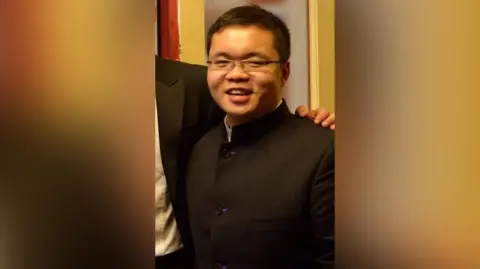
"The concept that a single person can function as a representation of UK identity, an individual who can in some way transfer the qualities of a English gentleman upon a infant child, seems to me optimistic and unrealistic," he stated.
"In my experience, engaging a typically UK tutor from infancy will does not automatically create the outcome they desire.
"I wasn't provided with that kind of mentor, and nevertheless I have been privileged enough to enjoy numerous of the opportunities they hope for their son."
He stated: "The reality is, personal identity can not be forced from the outside influences; it must be embraced, and it must originate internally."
Acquiring Englishness
Naturally, UK identity is something the expert hopes can be educated – and commercialized.
"I believe the reality that the global community regards us in this regard is something that we should be cherishing|valuing|appreciating


